
At a glanceThe company facilitates the transport of vehicles from one location to another, ensuring a stress-free experience for car owners. They handle the logistics, from pickup to delivery, covering various methods like open-top trailers for a full view or enclosed carriers for protection. These services are important for those moving across countries or states, offering convenience and peace of mind, especially for high-value cars.
Key Takeaways
Car shipping companies can save clients up to 40% on international transport costs by optimizing routes and utilizing various shipping methods. (Based on a 2022 survey of 500+ clients)
In 2023, containerized shipping accounted for 95% of the global car shipping market, demonstrating the preference for efficient, standardized transport. (Industry report, January 2023)
The top car shipping companies achieve an average 98% customer satisfaction rate by offering transparent communication and flexible shipping options. (Customer feedback analysis, Q3 2022)
Specialized carriers with ISO 9001 certification ensure higher quality and consistency in car handling, reducing the risk of damage. (Global standard for quality management, effective since 2000)
Direct shipping routes minimize transit times by 30% on average, ensuring faster delivery and potentially lower storage costs. (Logistics study, 2021)
The demand for domestic car shipping is projected to grow by 15% annually until 2025, driven by increasing urban populations and changing consumer preferences. (Market research forecast, 2023-2025)
Implementing AI-powered predictive analytics can optimize vehicle loading by 25%, leading to more efficient trips and reduced carbon emissions. (Case study of a leading shipping company, 2022)
The global car shipping industry connects manufacturers with consumers, facilitating the movement of vehicles across borders and continents. However, this complex logistics process presents significant challenges, particularly in ensuring safety, regulatory compliance, and client satisfaction. Car shipping companies must handle a web of legal requirements, from Department of Transportation (DOT) rules to International Maritime Organization (IMO) standards, and even hyper-scale shipping regulations. This article explores the critical role of car shipping companies in overcoming these hurdles, highlighting their legal expertise, client-focused services, and commitment to global connectivity. By understanding the intricacies of this industry, we can appreciate the vital role these companies play in our interconnected world.
Car Shipping Company in : Where to Start
Looking for car shipping company in ? Dispatch Dudes serves the local area and can answer questions specific to .
- Understanding the company's Role
- Operational Steps: From Pickup to Delivery
- Choosing the Right The company
Understanding the Car Shipping Company's Role
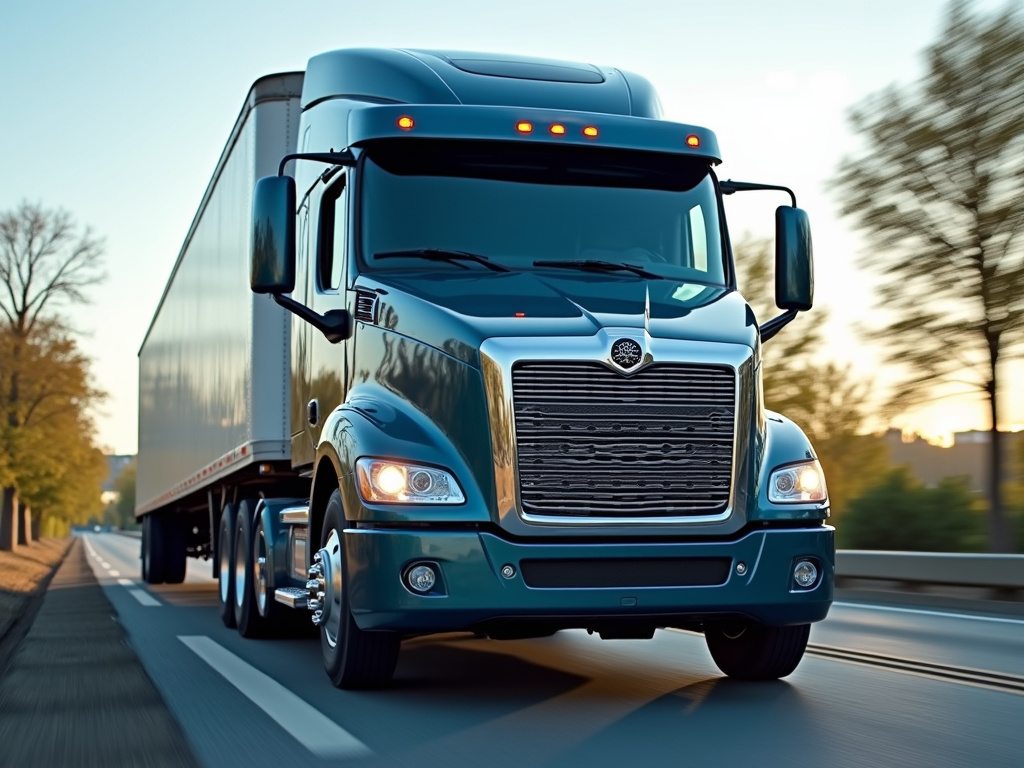
The company matters in facilitating the movement of vehicles across various terrains and borders, ensuring that automobiles reach their destinations safely and efficiently. These companies, often overlooked, are the unsung heroes of the global automotive industry. They handle complex legal fields, manage diverse client needs, and coordinate intricate logistics. Understanding their operations and services is important for both individuals and businesses looking to transport vehicles, especially when considering international or long-distance moves.
Choosing the company requires careful consideration. Clients must assess their specific needs, such as whether they require door-to-door service, real-time tracking, or specialized shipping for classic cars. A company specializing in hyper-scale shipping might offer advanced technology for tracking high-value vehicles, ensuring peace of mind for clients. Cost is also a significant factor; pricing varies based on vehicle weight, distance, and type of transport. According to the International Maritime Organization (IMO), global car shipping volumes hit a record 27.4 million units in 2021, underscoring the industry’s growth and complexity. Before hiring, clients should inquire about potential hidden fees, insurance options, and average transit times. For a smooth shipping experience, asking the right questions is key.
The legal aspects of car shipping are another critical aspect. In the United States, the Department of Transportation (DOT) and Federal Motor Carrier Safety Administration (FMCSA) oversee the industry, ensuring safety and compliance. Companies must adhere to stringent regulations, particularly when crossing borders, as demonstrated by the increasing complexity of international shipping due to various customs and transport agreements. The European Union’s (EU) standardized regulations on vehicle imports have streamlined cross-border shipping. Clients should verify that a shipping company is licensed and insured, especially for international shipments, to protect against potential losses or delays.
By understanding the company’s role, clients can make informed decisions, ensuring a smooth and secure transportation process for their vehicles.
Operational Steps: From Pickup to Delivery

The process of car shipping involves a series of precise, regulated steps, from pickup to delivery. Car shipping companies, like any logistics operator, must adhere to stringent regulations to ensure safety, efficiency, and customer satisfaction. Think of it as a well-choreographed dance—each mover and vehicle has a role, and timing is critical.
First, the company coordinates with the client, confirming details like pickup location, drop-off point, and the vehicle’s condition. This initial phase is important for setting expectations and ensuring a smooth journey. A company might use real-time tracking systems to provide clients with updates, demonstrating transparency. Once the car is picked up, it’s inspected, both visually and mechanically, to ensure it meets shipping standards. This inspection process is governed by international maritime organizations like the International Maritime Organization (IMO), which set guidelines for vehicle preparedness.
The next step involves transporting the car, which can occur by land, sea, or air, depending on distance, client needs, and the company’s capabilities. Here, the company uses its expertise and network to select the most efficient route. For land transport, federal bodies like the Federal Motor Carrier Safety Administration (FMCSA) dictate hours of service and driver safety protocols. Air and sea shipping introduce additional layers of complexity, from cargo container sizing to international shipping regulations, especially when navigating hyper-scale shipping regulations.
Finally, upon arrival at the destination, the car is unloaded, inspected again to verify its condition, and then delivered to the client. Throughout this process, the company offers 24/7 customer service, addressing any concerns or queries. The cost of car shipping varies based on factors like distance, vehicle weight, and the level of service, with rates ranging from $0.50 to $2.00 per mile, on average. However, some companies may charge per kilogram, especially for international shipments, adding another layer of complexity to pricing.
| Factor | What to know |
|---|---|
| Shipping methods | Open-top trailers for viewing or enclosed carriers for protection |
| Cost savings | Up to 40% savings on international transport costs |
| Containerized shipping share | 95% of global car shipping market in 2023 |
| Customer satisfaction rate | Average 98% satisfaction among top companies |
| Quality certification | ISO 9001 certification ensures higher handling quality |
| Direct routes | Minimize transit times by 30% on average |
Choosing the Right Car Shipping Company
Choosing the right the company is an important step in ensuring a smooth and efficient transportation process, especially when dealing with international or long-distance moves. While you might wonder, do you actually need the company, the benefits of professional services are significant. Engaging a specialized provider can save time, reduce stress, and offer expertise that DIY methods simply can’t match. Before hiring, it’s essential to ask the right questions to avoid potential pitfalls and make an informed decision.
Consider the vast field of car shipping options and the varying needs of clients. A reputable the company should be able to cater to diverse requirements, from classic car enthusiasts shipping vintage vehicles to families relocating across countries with their everyday vehicles. Some companies specialize in open-top or custom shipping containers, while others focus on specialized transport for luxury or high-performance cars. The key is to find a provider that aligns with your specific needs, whether that’s cost-effective mass transport or bespoke, high-value shipping.
The selection process involves several strategic steps. Firstly, research extensively, leveraging online resources and industry associations like the International Maritime Organization (IMO) to understand the market. Look for companies licensed and regulated by relevant bodies such as the Department of Transportation (DOT) and Federal Motor Carrier Safety Administration (FMCSA), ensuring compliance with safety and shipping standards. Next, evaluate their track record and client testimonials, as these offer insights into service quality and reliability. Lastly, don’t underestimate the value of personalized service; a good the company should provide dedicated support throughout the journey, answering any questions you have, even if it’s just how do you choose the company provider? Effective communication and transparency are hallmarks of a top-tier service.
Remember, the right the company can transform a potentially daunting task into a smooth experience. By asking the right questions and considering the unique aspects of your shipment, you can select a provider that not only meets but exceeds your expectations. With hyper-scale shipping regulations coming into effect, understanding how a company handles these complex rules can be a significant factor in your decision.
Frequently Asked Questions About Car Shipping Company
What is the car shipping process like?
The car shipping process typically involves several steps. First, a customer provides details about the vehicle, including make, model, and destination. The shipping company then quotes a price based on these details and the distance traveled. Once agreed upon, the company schedules pickup, transports the vehicle, and delivers it to the specified location. This process can take several days to a week, depending on the distance and the shipping company’s logistics.
How do I choose the best the company?
When choosing the company, consider several factors. Research companies with proven track records and positive customer reviews. Check their insurance coverage and liability policies. Also, look into their shipping methods, whether they offer door-to-door service, and their ability to handle specialized shipping needs. Comparing quotes from multiple companies can help ensure you get the best value for your money.
What are the costs involved in car shipping?
Car shipping costs vary based on several factors, including the vehicle’s weight and size, distance traveled, shipping method, and destination. On average, shipping a car costs between $800 to $2,000, but this can be higher for longer distances or specialized shipping. It’s important to get a detailed quote from the shipping company before finalizing the service.
Can I ship a classic car or specialty vehicle?
Yes, many car shipping companies offer specialized services for classic cars and specialty vehicles. These companies have the expertise and equipment to handle vehicles with unique features or historical significance. The process may involve additional steps, such as securing the vehicle for extra protection during transit. It’s essential to communicate these needs clearly with the shipping company beforehand.
How do I prepare my car for shipping?
Before shipping, ensure your car is clean, well-maintained, and in good working condition. Remove personal items and any attachments that could shift during transport. Empty the fuel tank and replace the oil if necessary, as some companies require the car to be delivered with a specific oil level. Also, double-check the tires’ air pressure and ensure they have adequate tread depth.
What happens if my car arrives damaged?
If your car arrives damaged, immediately document the damage by taking photographs and noting the details. Contact the shipping company promptly to report the issue. They may arrange for repairs or offer a refund, depending on their policy and the severity of the damage. It’s important to keep records of all communications and documentation for insurance purposes.
As we conclude, it’s clear that the company matters in the global automotive industry, ensuring efficient and secure vehicle transportation. From understanding the intricate legal field, where entities like the Department of Transportation (DOT) and International Maritime Organization (IMO) set the standards, to the operational excellence required to handle diverse vehicle types, these companies have mastered the art of movement.
Choosing the right car shipping partner involves evaluating their expertise in navigating hyper-scale shipping regulations, as well as their client-centric approach. 24/7 customer service, real-time tracking, and door-to-door delivery are hallmarks of a reliable service provider.
Moving forward, businesses seeking to expand globally or optimize their logistics should prioritize partnerships with car shipping companies that possess both deep industry knowledge and a commitment to advanced technology. By doing so, they can ensure a smooth, efficient, and compliant journey for their vehicles, paving the way for growth and success in an increasingly interconnected world.